Junoon
The divine madness of sports fandom in the Muslim community

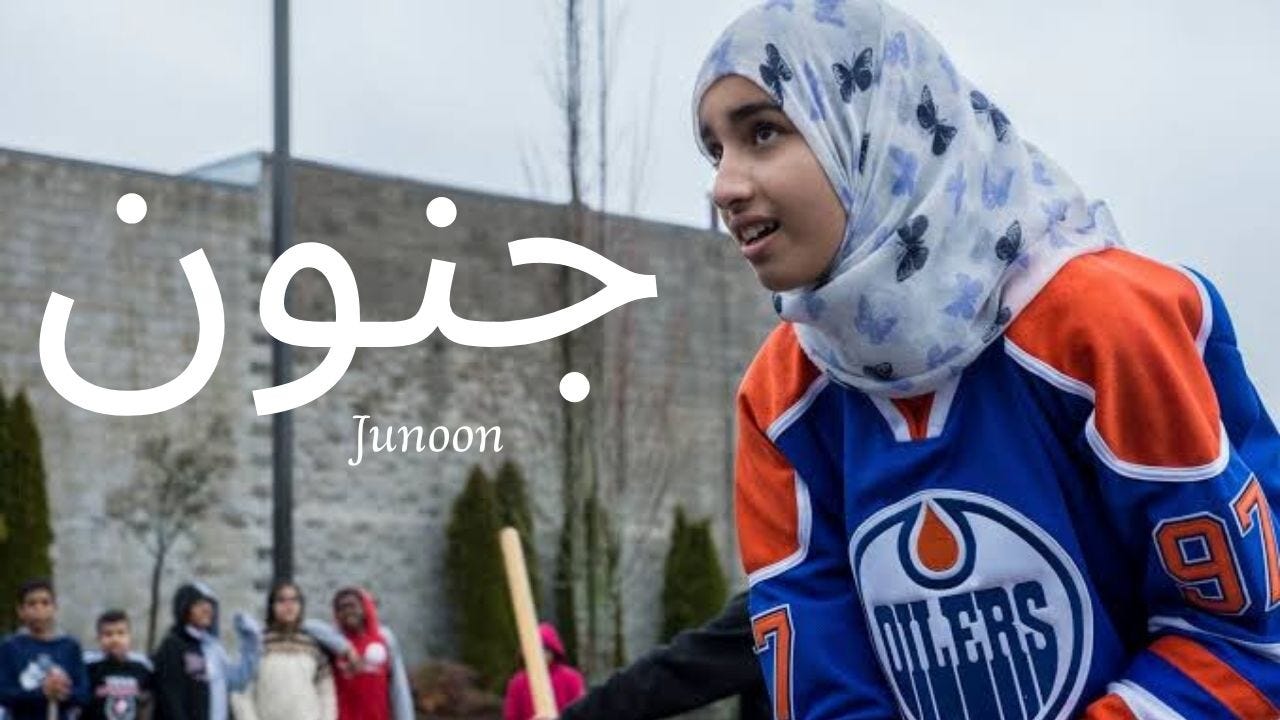
The Arabic word that opens this month’s journal carries a deeper meaning, not just in the context of this research, but in the grander scale of life. Found also in the Hindu and Urdu language, “junoon” is used to describe madness, passion, and obsession. The obsession can lean towards the reckless, where that passion can lean towards the reckless, where that passion can consume the individual fully. It can equally lean into what was described as “divine madness”, creativity fully unthethered and unbound.
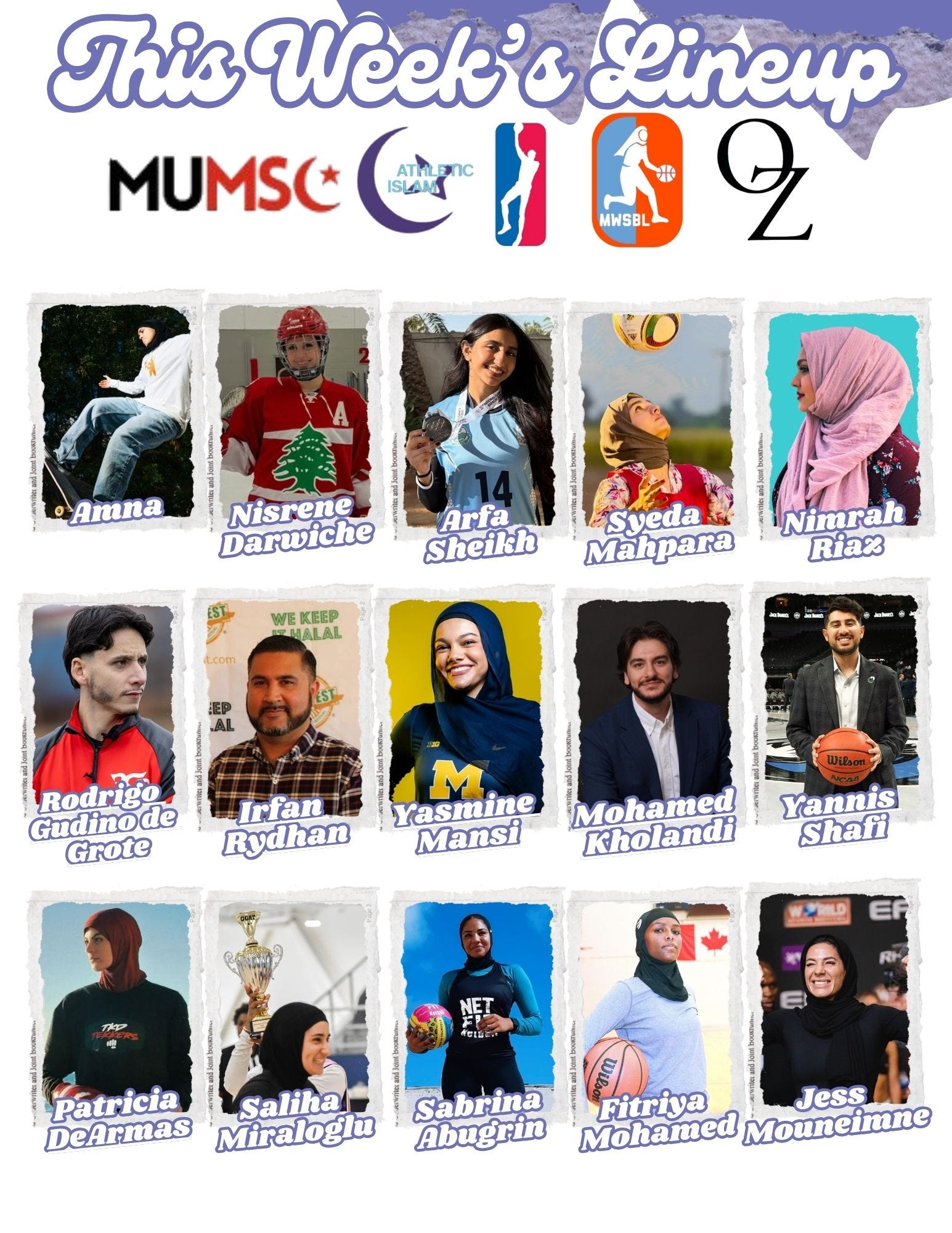
Nimrah Riaz has been living this idea for the last seven years. As the founder behind Siraat Strategies, Nimrah has used her faith to connect her and countless other fans to the sports they love. She has worked with the Houston Texans, Houston Rockets, and Houston Dynamo to produce Muslim Family Nights with on field prayer circles, Halal food options, and meet and greets with fellow Muslim athletes. These events brought upwards of 1,500+ fans, proving how much the Muslim sports fan is looking for genuine representation in their community. Working with her for the past month, we spoke with countless Muslim sports fans across recreation leagues, supporters groups, along with barrier breaking athletes to understand how their faith lives alongside their fandom. By understanding what fuels their love through sports, we hope to build a more accurate picture of what our Muslim brothers and sisters need to join in on the divine madness that is fandom.
When did you first feel the tension, or the harmony, between being Muslim and being a sports fan? Take us to that moment
Y.M.
I think the harmony came first for me. Sports taught me discipline, accountability, sacrifice which are values that already existed in Islam. As a student-athlete, I never really saw those worlds as separate. Whether that’s waking up early to train, staying committed when nobody’s watching, or controlling my ego after wins and losses: these mirror a lot of the spiritual discipline Islam teaches.
The tension came later, mostly in subtle ways. Being in environments where faith practices weren’t understood, hearing casual stereotypes, or realizing how invisible Muslims can feel in sports spaces unless it’s Ramadan. Nothing dramatic, but enough moments where you realize you’re constantly translating parts of yourself to other people.
OZMedia
I first felt the tension when I was a kid. My parents will call me to go pray and I would try to hold off on prayer until the game was over or when there was a timeout. That didn’t always go over well with my parents. But overtime, I realized that the prayer was more important than the game. So now I would pray no matter what the circumstance may be during the game. But that wasn’t always the case when I was younger.
M.K.
Growing up in New England, opportunities to compete in local Muslim sports tournaments were hard to come by. That dynamic shifted for me in 2011 when I attended my first Muslim Interscholastic Tournament (MIST). That was the exact moment the harmony between my faith and my athleticism clicked. Rooted in shared respect and a deep sense of community, we came together to compete intensely and showcase our skills. Any tension that arose on the court or field stemmed purely from a mutual love for the game and the thrill of competition, never from a clash of values. The very second the clock hits zero—win or lose—the competitive friction evaporates. We smile, embrace with open arms, and praise each other’s talents as brothers and sisters.
I.R. (HalalFest)
My experience as a Muslim sports fan is unique compared to most others in the United States. Born and raised in San Jose, California, I grew up as a fan of most of my local sports teams, including the San Francisco 49ers (NFL), San Jose Sharks (NHL) and the Golden State Warriors (NBA). As my father was not really into sports, except for the occasional big game that may come on TV such as the NBA playoffs or the Super Bowl, I did not attend many games in person until I was much older. I probably went to my first football (NFL) game when I was a senior in high school or first year of college, driving my brother and I from San Jose to San Francisco to watch the 49ers play at Candlestick Park (which has since now been demolished). As a Muslim we couldn’t eat most of the items for sale at the concession stands because they were not Halal, but we may have ordered some popcorn, soda and peanuts.
N.D.
I think I first felt it as a little girl standing between two worlds that I loved equally. Hockey arenas were loud, cold, fast, and intense, while my faith taught me softness, grounding, and modesty. For a long time, I thought I had to shrink one part of myself to fit into the other. I remember sitting in an arena, completely locked into the game, and realizing how invisible Muslim fans can feel in those spaces. Everyone around me was grabbing food, drinking beer, celebrating in ways that didn’t quite include me, but I still loved the sport so deeply. At the same time, there were moments of harmony too, moments where I realized Islam never actually told me I couldn’t belong there. My faith taught me discipline, patience, loyalty, resilience; all the things sports celebrate too. The conflict was never really between Islam and sports. It was between who society thinks belongs in sports spaces and who actually does.
S.A.
The first real tension hit at the age of 14 when I discovered I couldn’t compete in local basketball wearing my hijab because it was considered a safety risk. I remember the shock and frustration.. It felt like a part of who I am was being treated as a problem in a space I loved. That anger and disappointment turned into fuel. I trained harder, sought out safe performance hijabs, raised the issue with coaches and officials and pushed to prove that modesty and safety can coexist. That obstacle made me more disciplined, more deliberate and more determined to open doors for others. In the meantime, I explored other sports that allowed me to compete while wearing my hijab, including volleyball, netball and handball. Instead of stepping away from sport altogether I adapted and continued searching for environments where I could fully be myself both as an athlete and as a Muslim woman.
That journey eventually led me to netball, where I found a sport that embraced both my competitiveness and my identity. Today, I am still competing in netball at an international level proudly representing Malta. Looking back, those challenges shaped my resilience and reminded me that barriers can sometimes redirect you towards opportunities and purpose you never expected.
The harmony shows up every Ramadan. There’s a special satisfaction in completing fasts on game days.. and this year for the first time I did it while competing at an international tournament in February. Managing the cravings, adjusting routines and letting go of unnecessary habits left me proud and peaceful. Finishing a match after a day of fasting reminds me how faith and athleticism strengthen each other... the self-control and focus from Ramadan translate directly to performance and confidence on court.
Amna
I first felt the tension of being Muslim and a Sports fan when I wasn’t allowed to watch the game on tv because I “wasn’t a boy”. This is more of a cultural aspect however it derives from the religion being misconstrued.
R.G.
Honestly, I’ve felt that tension a lot throughout my career, playing in both the professional and amateur ranks in the US and Mexico, where many people don’t really understand Islam. I remember being in Mexico during Ramadan, and a lot of my teammates thought I was crazy. They told me I wasn’t being professional, that fasting would hurt my fitness and my level. At the time I wasn’t a regular starter either, so to them it made no sense why I would “risk” playing even less. But for me, my religion comes before my career every time. If I have to sacrifice something for my faith, I will. And interestingly, that created a level of respect. People started to see that there’s more to life as an athlete than just the game. That some things are bigger than football.
Athletic Islam
I think when it comes to the harmony, it’s really rooted in purpose for me. Knowing that sports can be an act of worship with the right intention is something that really helps with my personal identity, and allows me to direct my energy to growing in a really grounded way.
P.D.
I’m a martial artist who practices ITF Taekwon-Do. I started Taekwon-Do 20 years ago, and I became Muslim 10 years ago. As someone who had always been interested in learning about different philosophies/ belief systems, something that drew me to Islam was how in-line it was with values I already held dear based on my Taekwon-Do background. Both Taekwon-Do and Islam promote values of humility, justice, good conduct, the balance of patience and taking action, and much more. Even the modesty of the Taekwon-Do uniform and the humility of the black belt is in-line with the inward and outward “haya” in Islam. A quote I always loved in Taekwon-Do came to mind when I first heard the Islamic equivalent: “The life of a human being, perhaps 100 years, can be considered as a day when compared with eternity.” — General Choi Hong-Hi, Taekwon-Do founder. “How long did you remain on earth in number of days?” They will say, “We remained a day or part of a day.” — Quran 23:112-113
J.M.
The tension wasn’t where people might expect it. Prayer times, religious holidays — those never rattled me. I’ve prayed in locker rooms, in corners of arenas, wherever I was. That part always felt settled. The tension came from the environment itself. Fighting culture is soaked in gambling and alcohol in a way that’s almost invisible to everyone else it’s just the atmosphere, the assumed backdrop. But when you’re someone who doesn’t participate in either, you feel it and you know you shouldn’t be there. I’m a fighter. I love this sport. And I’ve had to genuinely wrestle with what modesty looks like when your body is your instrument, when competition requires a visibility that doesn’t always sit neatly alongside the woman I’m trying to be. That tension isn’t resolved by a simple answer. It’s something I’ve sat with, prayed over, and had to define for myself.
MUMSC
There is always tension as a Muslim as you always feel that you are being looked at differently or that you don’t belong and this is heightened by the current political climate in the UK. When the team is winning, when we score that important goal, for a split second, while everyone is celebrating, hugging each other, embracing – colour, religion, gender – nothing matters. But that is the only time I really feel I belong or where you could say there is ‘harmony’.
A.S.
Growing up in Pakistan, being a basketball fan already felt a little niche, so supporting the Golden State Warriors became a big part of my identity. The harmony came from how sports taught discipline, community, and consistency which are values that actually connect a lot with Islam. The tension showed up in smaller moments though. Staying up all night for games during Ramadan, balancing prayer times with game schedules, or feeling like Muslims were rarely represented in basketball culture. But seeing Muslim athletes openly practice their faith made me realize I did not to separate those two parts of myself.
S.Mi.
Honestly, I felt the harmony before the tension. Growing up Muslim, sports taught me discipline, patience, and community, which are all values Islam already emphasizes. The tension came later when I realized there weren’t many visibly practicing Muslim women in sports spaces. You start feeling like you have to choose between being fully athletic or fully modest, when in reality you can be both.
F.M.
One of the first moments I felt the harmony between being Muslim and being a sport fan was when I learned about legends like Muhammad Ali, Kareem Abdul-Jabbar, and Mahmoud Abdul-Rauf. As a young basketball fan, I was obsessed with learning about the history of the game and the athletes who shaped it. Discovering that some of the players I looked up to were also Muslim was an awakening moment for me. It showed me that being Muslim and being successful in sports could coexist. More recently, that feeling has only grown stronger as more athletes have openly spoken about their faith. Seeing players like Kyrie Irving and Jaylen Brown proudly identify as Muslim while competing at the highest level has been inspiring.
Growing up, we didn’t have the same level of visibility that we have today. Now, through social media, we’re constantly seeing Muslim men and women excel in their respective sport while embracing their faith. As someone who founded the Muslim Women’s Basketball League (MWSBL), these moments reinforce why this work is so important. Representation matters. Being able to create spaces where young Muslim girls and women can see themselves reflected in sport is something I’m truly grateful to be a part of. It feels like a full-circle moment from being that young basketball fan looking for people who looked like me to now helping build opportunities for the next generation.
S.Ma.
The tension wasn’t really between Islam and sports — it was between society’s assumptions and my reality. Sports became a place where I learned confidence in both my faith and myself.
N.R.
From my perspective, the tension and the harmony existed at the same time.
Growing up, I loved sports. I followed teams, knew player stats, watched games, and felt that same sense of belonging that sports creates. But I rarely saw people who looked like me, practiced my faith, or shared my experiences represented in those spaces. There was always this subtle feeling that I was participating in a culture that wasn’t built with me in mind.
The moment that stands out most wasn’t a single game or event. It was realizing that whenever Ramadan came around, I had to navigate two worlds. On one side was my faith, centered around fasting, prayer, community, and reflection. On the other was the sports world, which largely continued as if Ramadan didn’t exist. I remember wondering why something so important to millions of people seemed invisible in the spaces I cared about most.
At the same time, sports showed me what harmony could look like. Every time a team acknowledged Ramadan, accommodated Muslim athletes, or simply made the effort to learn, it sent a powerful message: you don’t have to choose between being Muslim and being a sports fan. You can be fully both.
That realization is what ultimately pushed me into this work. I stopped asking whether Muslims belonged in sports and started asking how we could build spaces where that belonging was visible, intentional, and undeniable. Today, through the events and communities I help create, I see that harmony every day when Muslim fans, athletes, and professionals walk into a room and don’t have to leave any part of their identity at the door.
Y.S.
When I was younger, my uncle — who was a massive fan of Muhammad Ali — introduced me to his story and legacy. I grew up learning not only about his greatness in the ring, but also about the way he carried himself outside of it through his activism, his faith, and the pride he brought to the Muslim community. As a young Muslim sports fan, seeing someone so open about their identity, while also being one of the most celebrated athletes, showed me that the two worlds could coexist. His impact went far beyond boxing, and the message he represented continues to resonate with future generations.
Walk us through what it's actually like to attend a game as a practicing Muslim, prayer times, food, the environment. What do you navigate that most fans don't think about?
MUMSC
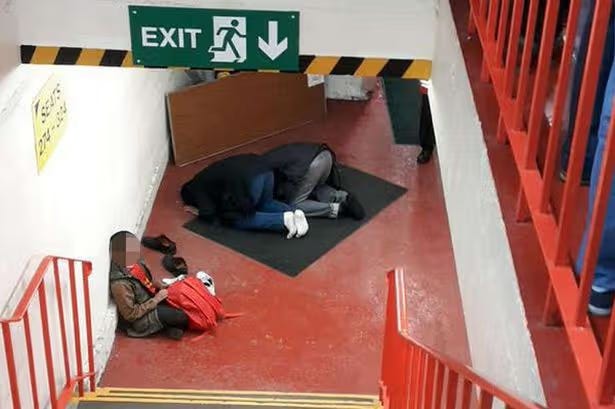
Usually pre-game I plan my prayers around kick-off times. As a Muslim, I pray 5 times a day during fix times and this is non-negotiable for me. I’d either pray at home, at the local Mosque or at the multi-faith room near the stadium. Usually I eat from home as I am local and also due to the lack of halal food option on stadium grounds. After the game, on occasion, me and some friends will head out somewhere to eat. Food and prayer is the most navigated. There are a lack of ablution facilities at Old Trafford which means we need to think about where we will be and at what time and what to do if we need to do ablution before prayer. Food the second, should I eat before or after – unlikely during due to lack of halal options mentioned above.
F.M.
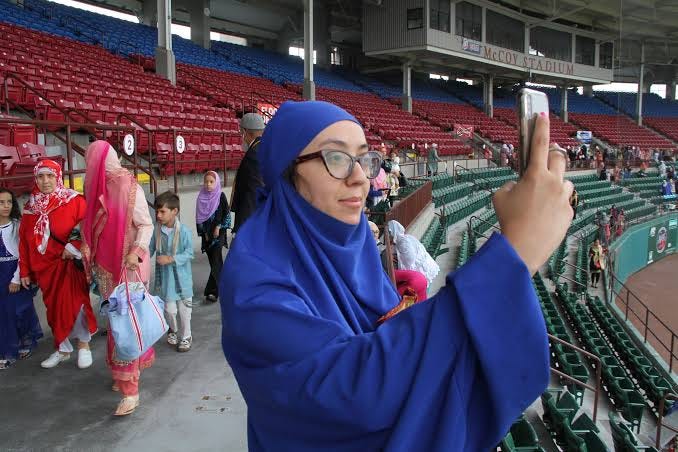
As a practicing Muslim, attending sporting events often involves navigating things that many fans don’t have to think about. One of the biggest considerations is prayer times, especially during longer events. Sometimes that means finding a quiet corner to pray or planning around game schedules. Food is another challenge. While some venues have become more accommodating, halal options are still limited at many stadiums and arenas, which often means planning ahead or eating beforehand.
As a visibly Black Muslim woman, there’s also an added layer of awareness around safety and belonging. With the rise in Islamophobia in recent years, I find myself paying closer attention to my surroundings. Sometimes when someone is looking a little longer than usual, you’re left wondering whether it’s simple curiosity or something else. Most experiences are positive, but it’s an extra layer that many fans don’t have to think about when attending a game. That said, the love of sport always outweighs those challenges. There’s something special about being surrounded by thousands of people cheering for the same team and sharing those moments together.
I.R. (HalalFest)
As I got older and started to go to sporting events with my Muslim friends, we sometimes had found a small corner in a hallway or underneath some stairs to quickly do our Maghrib (sunset) prayers if the timing fell within the game’s duration.
N.D.
There’s a lot happening quietly in the background that most people never notice. Sometimes I’m checking the score with one hand and prayer times with the other. Sometimes I’m looking around trying to find a clean, quiet corner to pray in while thousands of people are screaming five feet away.
But beyond logistics, there’s also the emotional navigation. It’s hearing comments about Muslims or hijabis and pretending not to notice. It’s deciding whether to explain yourself or stay silent. It’s being visibly Muslim in spaces where you don’t always know how people will react to you. At the same time, there’s something really beautiful about still showing up. About knowing that your faith travels with you everywhere, even into arenas that were never built with you in mind. There’s strength in carving out belonging for yourself anyway.
R.G.
As a fan, I haven’t been to too many games, and personally I’ll pray wherever I am. That part isn’t difficult for me. But as a player, it’s very different. For example, if we have a game around maghrib time, I have to find a way to pray, sometimes even during halftime. I always make sure I pray on time no matter what. During Ramadan, it’s even more demanding. You’re fasting and still expected to perform at a high level, so you have to be very intentional about what you eat and when, making sure your body can handle intense training and matches. A lot of people don’t see that side of it. Balancing your Islamic responsibilities with professional football isn’t easy, but with discipline and planning, it’s definitely possible.
P.D.
The international Taekwon-Do community is overall very diverse and welcoming. It’s a part of the moral culture of Taekwon-Do that it is for everyone “regardless of religion, race, or creed” (Encyclopedia of Taekwon-Do) and so the vast majority of people see me as a fellow martial artist and athlete, first. But as a Muslim, behind the scenes, especially when traveling to competitions and training sessions, I have to think about spaces to pray (we pray 5 times per day, although we have the concession of being able to shorten when traveling) and obtaining healthy protein sources as someone who only eats Halal meat. I often bring my own protein bars just in case I travel to an area where it’s hard to get ahold of meat I can eat. Generally there’s always fish available though!
S.Ma.
As a practicing Muslim, attending games sometimes means planning around prayer times, finding halal food, or navigating spaces where your faith practices may stand out. During Ramadan especially, the experience feels different. But those moments also make sports more meaningful because you learn how to balance both your faith and your passion.
Y.M.
I feel like there’s a layer of logistics most people don’t even notice. During Ramadan, for example, you’re timing iftar around the competition clock. You’re looking for somewhere discreet and clean to pray. Sometimes you’re figuring out halal food options beforehand because there may not be anything available at the track. And then there’s the social environment: sport culture can revolve heavily around drinking or certain traditions that don’t necessarily align with my lifestyle, so I’ve learned how to participate without compromising who I am. Most Muslim fans aren’t asking for the environment to change completely- we just want to feel like there’s room for us in it too.
OZMedia
Definitely trying to fit in prayer somewhere in the stadium while the game is going on has to be the most difficult thing to navigate. Then second comes the food aspect. Not a lot of stadiums serve halal food. For example, at a Detroit Tigers game we may just settle for eating nachos or cheese pizzas because of the circumstance.
But I must say these past few years our professional Detroit sports teams have been very accommodating to our Islamic beliefs by offering us a prayer area and halal food options.
J.M.
Before I even think about an event, I’m thinking about praying. What time is it, where does it fall in the schedule, is there space — not just physical space, but dignified space to pray. Food is its own conversation. Most venues still treat halal as an afterthought, if they think of it at all. So I’ve eaten before. I’ve brought food. I’ve navigated the noise and the alcohol-soaked atmosphere with a kind of internal calm that took years to build. What most fans don’t realize is that a practicing Muslim at a sports event isn’t just a fan — they’re doing quiet, constant logistical and spiritual math that never fully stops.
A.S.
I have never attended an NBA game abroad, but in Pakistan I regularly go watch tournaments and play in tournaments myself, and honestly as a Muslim it feels very normal. If it is time to pray, there is usually a nearby prayer area or quiet place available, so nobody really sees it as unusual. Halal food is also easily available, so those things are never something you have to stress about. However, even watching games online from Pakistan takes planning that most fans probably do not think about. NBA games are usually late at night here, so during Ramadan especially you are balancing games with suhoor, Fajr, and sleep.
M.K.
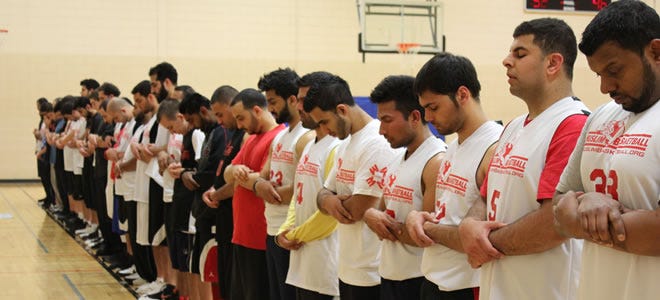
For members of the New England Muslim League, game day is a deeply anticipated weekly outlet that requires a level of intentional planning most sports fans never have to consider. Most of us grew up together, transitioning from high school rivals to college competitors. To put it in perspective, I first faced off against some of these guys at MIST in 2011 when I was 15. Fifteen years later, we are still sharing the court. Because this league is a vital anchor for our community, we dedicate a massive portion of our Wednesday’s to it. The venue is strategically located to centralize Muslims from across New England, requiring a drive of over an hour each way. Once we arrive, our pre-game isn’t just about stretching and warming up—we also have to factor in 10 to 30 minutes to pause and fulfill our prayer obligations. After an hour of intense competition, we spend another 30 minutes simply socializing and catching up before making the hour-long drive back home. Once we get home, we still have to eat dinner, shower and get in bed. Some game nights result in me falling asleep at 1AM!
S.A.
Attending a game as a practicing Muslim often involves a level of preparation that most athletes and sports fans never have to think about. I am constantly balancing my responsibilities as an athlete with my religious commitments... checking prayer times around training sessions, games and travel schedules, and making sure I have space and time to pray, especially during tournaments abroad. Personally, I feel most comfortable praying at home. I always carry a travel prayer mat and extra clothing with me whenever I go abroad.
During Ramadan, it becomes even more demanding. I have to decide whether to break my fast at the venue between matches or training or wait until I get home, all while still performing physically at a high level. Food is another challenge particularly when traveling because halal options are not always available or clearly labelled. In many cases, I rely on vegetarian, vegan or fish options just to be safe.
These are things many people in sport may never notice but navigating them has taught me discipline, adaptability and how to stay connected to my faith while competing at an international level.
S.Mi.
A lot of people don’t realize we’re constantly planning around prayer times, halal food options, and maintaining modesty in environments that can get loud or uncomfortable. Sometimes you’re looking for a quiet corner to pray while everyone else is focused on halftime. But it also builds a different kind of connection with your faith because you learn how to carry Islam with you everywhere, even in sports spaces.
Amna
As a Muslim attending games, I find it hard to find halal options. The environment does not have private prayer spaces.
Y.S.
Working in sports during Ramadan definitely changes the rhythm of a gameday for me. Normally, I try to arrive about an hour before tipoff to grab a meal and settle in before meeting with clients, but during Ramadan that window shrinks from around 30 minutes of downtime to sometimes just 5–10 minutes between responsibilities. Since my job involves constantly walking around different levels of the arena and hosting clients throughout the night, I have to be very intentional about managing my time and energy. If I haven’t had a chance to pray before the game, I’ll usually try to find an empty room or quiet space during a break, and I always carry a water bottle so I can rehydrate as soon as I break my fast. It’s something most fans probably never think about while attending a game, but I’ve been fortunate to have a boss and teammates who are incredibly understanding and supportive. For me, those conversations and small moments of awareness really help create a more inclusive environment.
N.R.
For most fans, attending a game starts when they get to the arena. For me, it starts with prayer times, finding halal food options, and figuring out how to balance my faith with the game experience. During Ramadan, it can mean breaking my fast in my seat or finding a quiet corner to pray between quarters. None of these things are major obstacles, but they are constant considerations that most fans never have to think about.
When a team acknowledges Ramadan, a post, an event, a gesture, what separates something that actually lands from something that feels like it was made for someone else?
OZMedia
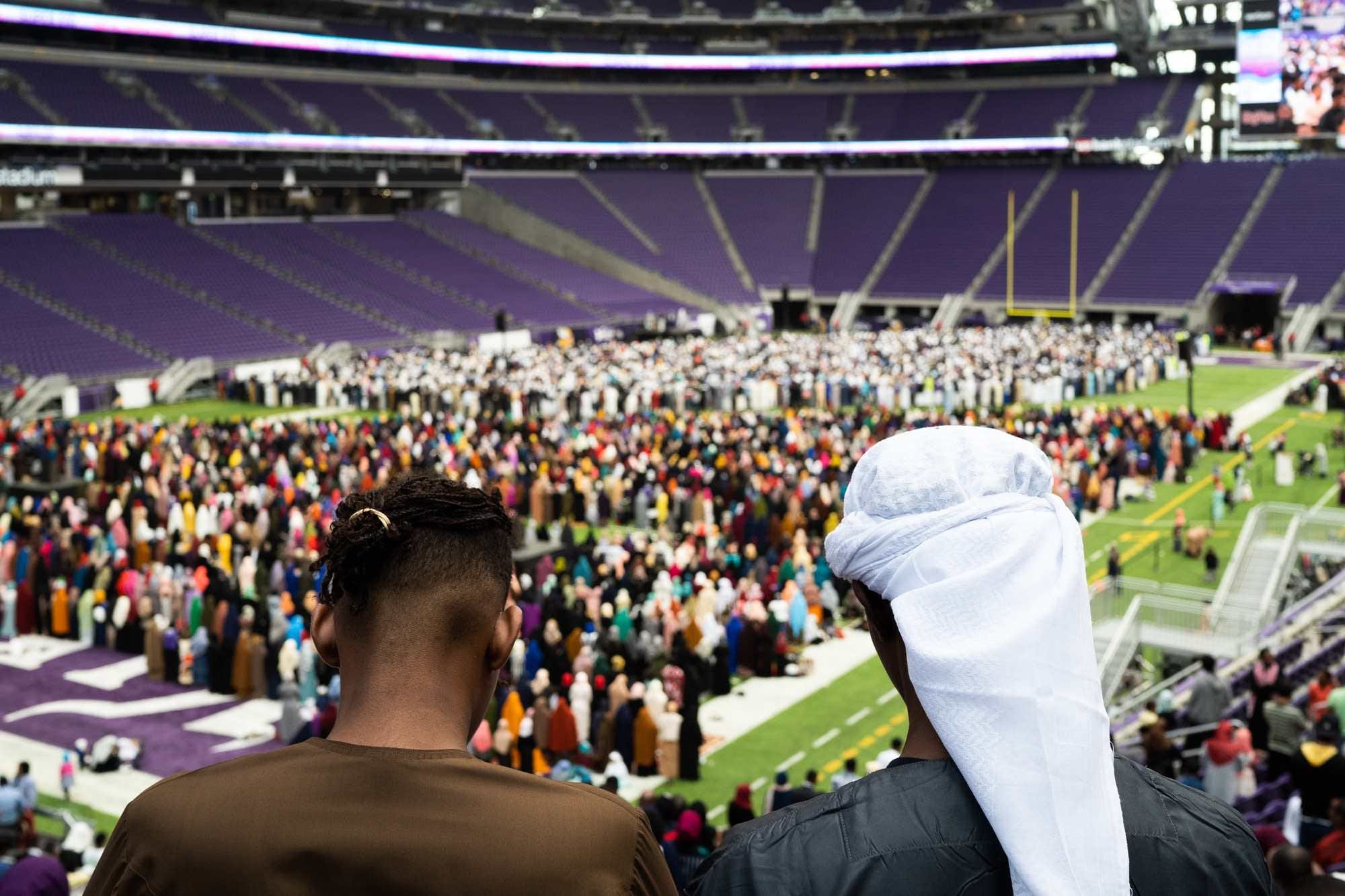
I am a glass half full kind of guy, so any effort is a win for me. With the teams offering things like “Arab Night” or “Muslim Night”, this means a lot to our community. It’s definitely a step forward and it feels good that we are making progress when it comes to inclusiveness with our local sports teams.
A.S.
You can tell when it comes from real understanding instead of marketing. A generic “Ramadan Mubarak” post is fine, but what actually lands is consistency and authenticity. Showing Muslim fans, athletes, and communities in a real way matters more than polished campaigns. The best gestures feel human, not corporate.
Athletic Islam
For me, celebration really lands when a team really backs up what they’re talking about. A lot of teams will put a Ramadan or Eid post out for good PR, but you can tell it’s very surface level because of the way they act towards players who really do speak out for good, as Muslims would. E.g. Mesut Özil’s treatment by Arsenal (I apologise if this was a bit too political)
MUMSC
For me, the difference is whether Muslims feel genuinely considered, or whether they simply feel marketed to.
Most people can tell when something has had real thought, understanding and engagement behind it, versus when it’s just been produced because the club feels it should acknowledge Ramadan or Eid for PR reasons.
The things that tend to land well are usually quite simple: involving actual Muslims in the process, understanding what Ramadan actually means beyond fasting, creating spaces where Muslim fans genuinely feel comfortable and represented, and making efforts that continue beyond one social media post a year.
Authenticity matters more than perfection. Fans don’t necessarily expect clubs to get everything right, but they do appreciate sincerity, consistency and a willingness to listen.
On the other hand, when things feel generic, performative or disconnected from the lived experiences of Muslim supporters, people notice that very quickly. Particularly when messaging around inclusion is not reflected elsewhere in the fan experience.
The best examples are usually where clubs build genuine relationships with Muslim supporters and communities over time, rather than treating Ramadan as a one-off marketing moment.
I.R. (HalalFest)
In 2017, Mohamed Fofana, a Muslim employee at the Sharks, reached out to the local community to organize the first “Muslim Community Night” event at a professional hockey game. We partnered with Mohamed and brought in approximately 100 attendees. We even had a space for prayers inside the SAP Center during the game. What made it land was that it started from the inside — a Muslim who already worked there, who already knew the community, who made it real rather than handed it to a marketing department.
N.D.
You can feel the difference immediately. When it’s genuine, it feels human. It feels like someone actually took the time to understand us instead of just remembering we exist once a year. It’s not just posting a crescent moon graphic and disappearing the next day. It’s consistency. It’s pronunciation, effort, conversation, representation behind the scenes, and creating spaces where Muslim fans don’t feel like guests.
The gestures that land are usually the quieter ones. Staff asking if there’s a prayer space available. Making halal options accessible without making it feel like a special request. Highlighting Muslim fans and athletes as part of the community year-round, not as a diversity campaign. People can tell when something comes from relationship instead of marketing strategy. Muslims don’t want perfection; we want sincerity. We want to feel considered before the campaign meeting starts, not added in afterward.
F.M.
In recent years, seeing teams and leagues acknowledge Ramadan and Eid has been really encouraging. For a long time, Muslim fans weren’t part of these conversations, so seeing our holidays recognized feels like progress. It also helps educate broader fan bases about our faith and reminds people that Muslims are very much part of the sports community. For me, authenticity comes from action. The true intention behind these efforts becomes clear through a team’s long-term commitment to community engagement and inclusion. I’ve appreciated athletes like Natasha Cloud (WNBA player), who have used her platforms to speak out on issues impacting marginalized communities, including advocating for Palestinian rights and raising awareness about what’s happening in Gaza.
Seeing the uncertainty around Natasha Cloud’s future after being so vocal on these issues raised questions for me about how much space athletes truly have to advocate for causes they believe in. That’s why it’s sometimes difficult to reconcile organizations celebrating Ramadan or Eid while remaining silent on issues many Muslims deeply care about.
Ultimately, when support exists year-round, those acknowledgements feel genuine. When they appear in isolation, they can sometimes feel more performative than meaningful.
S.A.
I think the biggest difference is whether it feels genuine or not. You can usually tell when a team actually understands and cares about Muslim athletes and fans instead of just posting something because they feel like they have to.
The things that mean the most are usually the simple things.. understanding what Ramadan is really like, checking in on players who are fasting, having halal food options, or just being respectful about prayer times. Those small actions make you feel comfortable and included without having to explain yourself all the time.
As a PE teacher as well I think it is really important because young people notice these things. When students see their identity and beliefs being respected in sport it helps them feel like they belong and gives them confidence to participate without feeling different.
What does not really land is when it feels more for social media than for the people themselves. Real support is when people take time to understand your experience and make small efforts that actually make a difference.
M.K.
Honestly, I don’t look at any team’s post or acknowledgement as a negative. In this country, embracing anything related to Islam takes a real level of courage, so I choose to view it as a positive step forward, whether it is 100% genuine or driven by marketing. Any visibility is a win. However, when an event or gesture is clearly, undeniably genuine, it speaks volumes to us. As a minority out of many minorities in America, we are used to being overlooked. When a team goes out of its way to truly understand our community—not just to sell tickets, but to make us feel welcome—that authenticity stands out immediately and means the world to us.
Y.M.
People can tell the difference between representation and relationship.
A generic “Ramadan Mubarak” post once a year is fine, but what really lands is when there’s evidence that people actually took time to understand the community they’re speaking to. That could mean partnering with local Muslim organizations, highlighting Muslim staff or fans, accommodating prayer spaces, or creating experiences that continue outside of one campaign window.
The biggest difference is whether Muslims are involved in shaping the conversation or just being marketed to after decisions are already made.
This question in particular struck a chord with me, I recently wrote this article about my (non-Muslim) coach who fasted Ramadan with me in high school because I was the only athlete fasting.
J.M.
You can feel the difference immediately. When it lands, it’s specific. It doesn’t just say “Ramadan Mubarak” in Arabic font over a generic crescent moon graphic and call it community. It knows something. It reflects that someone in that building actually talked to a Muslim, actually understood that Ramadan is not just about not eating — it’s about transformation, about mercy, about showing up differently for 30 days. What falls flat is when acknowledgment is aesthetic without understanding. When it’s clearly a marketing calendar decision. Real recognition isn’t seasonal.
R.G.
You can feel the difference right away. When it’s just a post or something surface level, it doesn’t really connect. But when it’s genuine, it shows. I experienced that in Mexico when my team did a news segment about me during Ramadan. It wasn’t just for show, it came from a real place. Because of that, we were even able to have Eid salah in the stadium. That meant a lot to me. It felt real, it felt respectful, and it felt like I was truly being seen.
P.D.
My day job outside of being an athlete is working in marketing. Because of this, it’s easy for me to notice when recognizing Muslims is done out of consideration versus trying to capitalize. I feel organically including Muslims as if they are simply people, is often the most authentic form of acknowledgement. If someone remembers it’s Ramadan or Eid, it always makes me smile. For someone to invite me to meet their young Muslim student so that they can see the representation of someone like them comes off as very genuine rather than tokenizing. In my circles I don’t feel like the “token Muslim” I generally feel like just another unique athlete amongst many unique athletes. I believe we should be recognizing each diverse group as included in the greater community of different athletics, and uplifting and giving opportunities to everyone, first and foremost.
S.Mi.
You can tell when it comes from genuine effort versus just checking a diversity box. The things that land are thoughtful and informed. It’s not just posting “Ramadan Mubarak” once a year. It’s understanding why the month matters, involving Muslim voices, accommodating Muslim athletes and fans, and building relationships beyond one campaign.
Amna
I appreciated when Kyrie Irving took the step in representing the Muslim community. It created a bridge between my identity of being Muslim and being a fan of the NBA. It was not longer “them” it became more real. More tangible.
N.R.
The difference is whether the effort starts with understanding or visibility. A generic post says, “We know Ramadan exists.” A meaningful gesture shows that the team understands the people observing it. The most impactful moments aren’t usually the biggest campaigns. They’re the ones that reflect real conversations, real relationships, and a genuine desire to make Muslim fans feel like they belong.
Y.S.
Anytime a team acknowledges Ramadan or Eid — even through something as simple as a social post — that representation means a lot because fans notice it and feel seen. At the Dallas Mavericks, I’ve always appreciated that they involve us in the process by asking for input on the design, messaging, captions, and overall approach. It shows a willingness to listen and learn. A lot of people may just scroll past a post in a few seconds, but you never really know the impact that kind of visibility can have on a Muslim fan following from anywhere in the world.
Is there an athlete, a moment, or a decision by a team that made you feel like your community was genuinely seen, not marketed to, but seen? Or are you still waiting for that moment?
R.G.
That moment in Mexico was definitely one of them. At the time, I was the only Muslim in the professional leagues there, so being recognized like that meant a lot. As a Mexican Muslim, it made me feel seen and validated in a way I hadn’t felt before. That experience stayed with me. It’s a big reason why, now that I’m building my own professional team for The Soccer Tournament (TST), I’ve made Islam part of the identity. Words like amanah, taqwa, and ihsan are on our jerseys. It’s about showing that you can be proud of your faith, even on an international stage.
MUMSC
I’d say we are still waiting for that moment. It was nice for Noussair Mazraoui to come to the Old Trafford Iftar we did this year, that meant a lot to us and a lot to our members. It turned the event from a great event to an amazing event.
S.Mi.
A moment that genuinely stood out to me was seeing athletes openly pray, fast, or speak about their faith without watering it down. That visibility matters because young Muslims are always watching and wondering if there’s space for them too. I think we’re seeing progress, but there’s still room for Muslim communities to feel truly understood instead of just acknowledged during special occasions or viral moments.
I.R. (HalalFest)
In 2021, HalalFest partnered with the Sharks and Aramark to bring a halal restaurant into the arena for our Muslim Night game. Aramark really liked the food and service provided by the restaurant (El Halal Amigos) and offered them a permanent spot in the concession stands for the following season. So now there is a permanent full time halal restaurant inside the SAP Arena in San Jose. From then on we expanded to other local Bay Area teams and held similar events with the Oakland A’s (MLB), San Francisco 49ers (NFL) and the Golden State Warriors (NBA). In 2025, after four years of working with the Warriors and the Chase Center, we brought a halal food vendor inside the Chase Center for our event — the first time the Chase Center allowed any outside vendor into the arena. That felt real. That felt like something built together, not handed down from a marketing meeting.
N.D.
Seeing athletes openly exist in their faith without apology has always meant a lot to me. Especially Muslim athletes who carry themselves with confidence and tenderness at the same time. Not turning their identity into a performance, but simply existing publicly as themselves. Those moments matter because young Muslim kids are watching and quietly asking themselves, “Is there room for me here too?”
I think the moments that stay with me most are the small ones. A broadcaster pronouncing a Muslim name correctly. A teammate defending a player from Islamophobia without hesitation. An organization creating space for Muslim athletes or fans without making it feel transactional. Those moments feel personal because they tell us we don’t have to earn our humanity first.
But if I’m honest, I still think there’s a long way to go. I’m still waiting for the day Muslim inclusion in sports feels ordinary instead of exceptional. The day we stop being framed as inspirational just for showing up.
M.K.
What separates a meaningful gesture from a superficial marketing campaign is authenticity—and for me, that realization comes through the athletes themselves. Seeing superstars like Kyrie Irving and Jaylen Brown perform at the highest level while openly practicing their faith makes Muslim communities across America feel genuinely seen and less isolated. When Kyrie Irving—one of the most talented point guards in NBA history—steps off the court mid-game just to break his fast with a few dates and water, it is a profound reminder that our spiritual practices matter. The same goes for combat sports, where champions like Khabib Nurmagomedov, Islam Makhachev, and Belal Muhammad unapologetically embrace Islam on a global stage watched by millions. When teams and leagues respect, protect, and highlight these raw, human moments of devotion, it transcends marketing. It becomes a true representation.
Athletic Islam
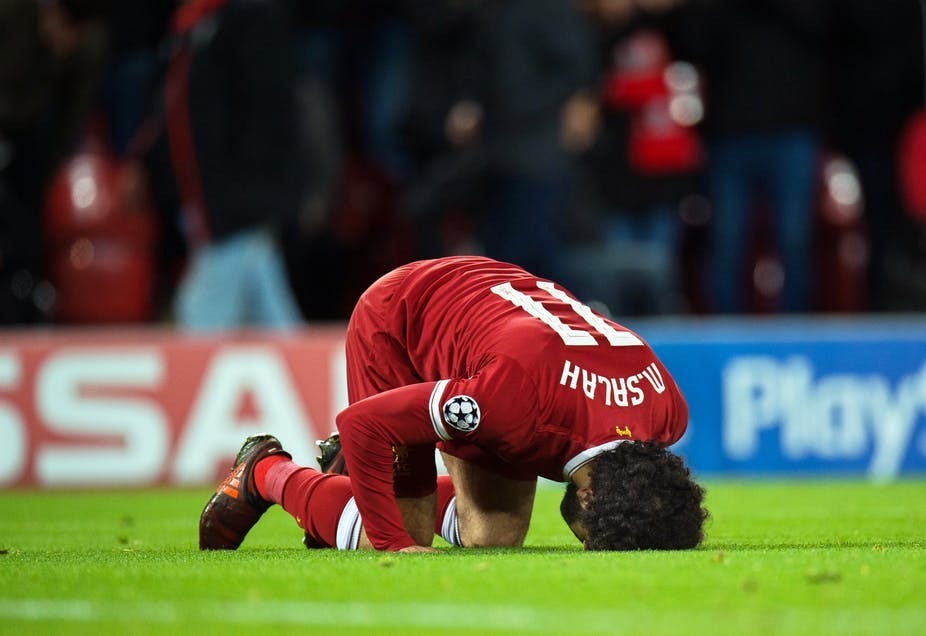
Not really from a team perspective, but definitely from the athlete side of things. There are tons of amazing guys who I post about that really serve as an inspiration for the next generation, and I really like what they’re doing. I can’t really think of a specific moment, but for example when an athlete goes into sujood (prostration) when celebrating, it really does make you feel seen.
OZMedia
I am still waiting for that moment. But I think it’s cool when we hear about Muslim athletes fasting during Ramadan and the sports announcers acknowledging it. It definitely raises awareness on what Muslims may go through during the holy month.
F.M.
I don’t know if there has been one defining moment, but rather a collection of moments over the years. Seeing athletes like Muhammad Ali, Kareem Abdul-Jabbar, Mahmoud Abdul-Rauf, Kyrie Irving, and Jaylen Brown openly embrace their faith while competing at the highest level has always been meaningful. More recently, seeing Muslim women athletes receive greater visibility and recognition has also been incredibly powerful.
At the community level, watching the growth of sport within the Muslim community and the rise of women-centered sports spaces in the Greater Toronto Area has made me feel genuinely seen. Whether it’s Muslim women leading leagues, coaching, officiating, or creating opportunities for young girls, those moments remind me that we’re no longer waiting for someone else to create a space for us—we’re building those spaces ourselves. That said, I think there’s still room to grow. True representation isn’t just about visibility; it’s about inclusion in decision-making, investment in communities, and creating pathways for future generations. We’ve come a long way, but there’s still work to do.
S.A.
One moment that really stayed with me was a video that went viral of a female football player whose hijab fell during a match and the opposing players immediately surrounded and covered her until she fixed it. That moment felt so genuine because nobody was doing it for attention... it was pure respect, understanding and care in the middle of a game.
Another moment for me personally was when the MBA reverted the headgear rule in the local league, and from then onwards I was allowed to compete in basketball. That decision made me feel seen because it showed that Muslim girls who want to play basketball in hijab now have the opportunity to do so safely and confidently.
As both an athlete and a PE teacher that means a lot to me. It is not only about my own experience anymore... it is about the future generation of girls growing up feeling like sport is a space where they belong too.
Y.M.
Athletes like Mohamed Salah and Kyrie Irving stand out because they’ve practiced their faith publicly without making it feel performative. Seeing athletes normalize prayer, fasting, or openly talking about spirituality matters more than people realize, especially for younger Muslims growing up in sports.
Authenticity is most important in these sort of moments: where faith isn’t treated like a branding opportunity or something “different,” but just part of the human experience of an athlete or fan.
I also think there’s still room for growth. A lot of Muslim fans still feel acknowledged seasonally rather than consistently. (Myself included)
J.M.
Khabib. What he did wasn’t just win — and he won at the highest level, undefeated, undeniable. It’s that he never made his faith a footnote. It was the headline. Every post-fight moment, every interview, every prostration on the canvas — he made it impossible for the world to separate his excellence from his Islam. He didn’t ask for permission to be both. He just was. And that mattered enormously. He paved something real for Muslim fighters who came after him, a path that said you don’t have to choose between being taken seriously in this sport and being fully yourself before Allah. But I’ll be honest — as a Muslim woman in hijab, I’ve had to look a little harder for myself in this sport. There are maybe three or four of us in the world that I know of — Muslim women competing professionally while carrying our identity visibly, unapologetically. That number is not a discouragement to me. It’s a responsibility.
I’m still building toward being that for someone else.
Amna
As a female Athlete, growing up watching the NBA and WNBA I always felt despair in the comparison. I gave up on my dreams too early because of what I seen from the WNBA. Empty seats, unfair wages, and disrespect from the people around me. I feel like I’m still waiting for the NBA to uplift the WNBA and that moment hasn’t happened. I’m proud of where the WNBA has brought itself to in this day however I would Love to see more of a joining.
A.S.
Honestly, seeing Muslim athletes openly talk about or practice their faith has always meant the most to me. Those moments feel real because they are not forced. I still think there is room for teams to make Muslim fans feel more naturally included year round, not just during Ramadan, but things are definitely moving in a better direction.
P.D.
One thing that made me feel very seen was being invited to be an Ambassador for a training service and media organization that’s very popular amongst ITF Taekwon-Do practitioners, TKD Tekkers. I had already been committed to sharing my journey on social media, and TKD Tekkers admired my authenticity and invited me to join their Ambassadors team, giving me opportunities to promote a group I’d already admired and further share my own journey not only with Muslims but with women and overall TKD athletes. The fact that my journey has resonated with people has made me feel truly seen, not just relegated to my visible hijab, but the human journey of an athlete’s ups and downs. I’ve had young people come up to me and say “you’re the Tekkers girl!” which was a huge compliment! I feel like a part of something bigger, not just a “token Muslim.”
Y.S.
A recent moment that really stood out to me was during the 2023–2024 season when the Dallas Mavericks played the Denver Nuggets in an afternoon game during Ramadan. Kyrie Irving hit an incredible left-handed game-winning hook shot at the buzzer, and the arena absolutely erupted. It was already such a memorable moment, but what made it even more meaningful to me was his postgame press conference, when he was asked about playing while fasting. He described Ramadan as a “special time” and talked about how playing an NBA game without food or water all day felt “nothing short of a miracle.” As someone observing Ramadan myself, it was powerful to see that level of visibility and honesty on such a big stage. I appreciated both the reporter for asking the question and Kyrie for helping bring awareness to the discipline and meaning behind Ramadan.
N.R.
What stands out most isn’t one athlete or one post. It’s when teams move beyond awareness and create experiences. Seeing teams host Muslim Family Nights, provide prayer accommodations, recognize fasting athletes, or partner with local Muslim communities sends a different message. It says we’re not just an audience you’re marketing to; we’re a community you’re investing in.
If the team you root for called you tomorrow and said they wanted to build a real relationship with Muslim fans, not just during Ramadan, what's the first thing you'd tell them?
M.K.
If my favorite team called me tomorrow, I would give them a piece of advice from a famous Islamic speaker, Imam Omar Suleiman, that completely shapes how I live my life: “Sincerity Breeds Creativity.” I would tell the front office to start with true sincerity, and let that genuineness guide how they navigate their relationship with us. Every single person walking into that stadium or watching from home is going through their own hidden battles outside of sports and we refer to sports as an outlet for various reasons. We have no idea what burden someone is carrying. A truly genuine, heartwarming interaction from a team they love can uplift a fan in ways the organization might never fully imagine.
Amna
If a team called tomorrow and said they wanted to build a relationship with real Muslim fans outside of Ramadan, the first thing I would tell them is connect to the teachings of Islam to understand the character of a Muslim first. In my experience, The barriers that make non Muslims feel like Muslims are an unknown territory of them derive from not only societies doing but also the lack of understanding that our beliefs are the same. That being said, coming into the conversation with an open mind and clear heart can have a vast impact on the relationship and steps to garner it.
A.S.
I would tell the Golden State Warriors to focus on listening before marketing. Talk to actual Muslim fans and communities. Make inclusion part of the normal fan experience through halal food, prayer accommodations, and community partnerships instead of just doing a once a year Ramadan campaign. Muslims can tell when they are being treated like a community instead of just a demographic.
OZMedia
“Where do you want to start?” That will be the first thing I would ask them. I think reaching out would mean a lot and I’m sure these are discussions that are already happening with our professional sports teams in Detroit. But it wouldn’t hurt to hear the opinions of others. And all good things start with communication. So I’ll be ready to answer the call.
MUMSC
Take us more seriously. I don’t feel we are appreciated and to be honest, most of our members feel the same way. MUMSC despite being a non-profit with almost no income or investment, has become massive. We have around 3700 registered members in 85 different countries. 200,000 followers across all of our social platforms and growing at an insane rate. Over the last 90 days, we’ve had almost 40 million views with around 10% interaction across our platforms. I don’t say that to gloat, we have become a marketing department for Man Utd, promoting and advocating for them across the Muslim world, bringing Muslims and Manchester United fans together for the love of the club. I don’t believe any other official supporters club are engaging and being active in the way that we have been doing. We’ve also raised over £330,000 for charity since our founding just under 2 years ago.
Y.M.
A lot of Muslim fans can tell when they’re only being acknowledged because it’s Ramadan and the marketing calendar says it’s time. If you want a real relationship, make Muslim fans part of the culture year-round, not just a themed post once a year.
That means practical things matter. Have halal options at games, a quiet space for prayer, and work with local Muslim organizations consistently for collaborations. Highlight Muslim fans and athletes naturally instead of only when diversity becomes the topic of the week.
But more than anything, just listen. Bring Muslim fans into the room before making decisions about them. Ask what makes them feel welcome instead of assuming because honestly, most Muslim fans aren’t asking sports to revolve around them. We just want to feel like we don’t have to leave parts of ourselves at the door to fully belong there.
Athletic Islam
That’s a really good question. I think the first thing I’d have in mind is the messaging behind it. Like what’s it rooted in? We need to make sure that it’s not just a surface level PR stunt, and really dive into the purpose of a Muslim athlete, and what it means to be a Muslim athlete. Things like that.
N.D.
I’d tell them to start by listening before speaking. Muslim communities are not a monolith, and people can tell when organizations build campaigns without ever actually talking to us. Real relationships are built slowly. Show up outside of photo opportunities. Partner with local Muslim organizations, schools, and youth programs consistently. Hire Muslim voices into the rooms where decisions are being made. Don’t just invite us to the arena; ask us what would make us feel comfortable returning.
Most importantly, understand that for many Muslim fans, being included is emotional. A lot of us grew up loving sports while quietly feeling like outsiders in those spaces. So when a team genuinely makes room for us, it heals something deeper than fandom. It tells young Muslim kids they don’t have to split themselves in half to belong here.
J.M.
Stop starting with the calendar and start with the people. Don’t ask me what holiday is coming up — ask me what my life actually looks like. Ask me what it costs me to show up to your venue. Ask me what would make me bring my daughter, my community, my whole self — not just the part that fits neatly into your outreach strategy. Hire Muslim staff. Partner with Muslim-owned businesses year-round. Create space — literally, physically — for prayer at your facilities and food options, allow alcohol free zones for those who don’t want beer spilled on their shoes every time someone cheers. And then stay consistent when the cameras aren’t on and Ramadan is 6 months away. Relationship is built in the ordinary moments. That’s where I’d tell them to begin.
I.R. (HalalFest)
Although these annual “Muslim Heritage Nights” and Community Nights occur only once a year (for now), it is definitely a starting point for the next generation of Muslim sports fans to expand upon. At the very least we have educated those who run the facilities, food programs and group sales about the Muslim community’s needs, such as halal food options and a space for prayers. This way, they too can enjoy watching their local sports teams play and cheer them on in person. Start there — with the basics — and build trust over time. That’s how a real relationship begins.
S.Mi.
“Let’s get to work. 😈” Just joking lol, if a team called me tomorrow wanting to build a real relationship with Muslim fans, the first thing I’d say is to listen before you market. Build relationships with local Muslim communities, invite Muslims into the conversation year round, create spaces that actually accommodate them, and don’t wait until Ramadan to remember we exist.
F.M.
My first response would be simple: give us a seat at the table. If you genuinely want to build a relationship with Muslim fans, involve Muslim community members from the beginning. Listen to our experiences, understand our needs, and include us in the planning and decision-making process. For me, the difference between a short-term campaign and a meaningful relationship is whether the community has a voice. When organizations are willing to engage consistently, invest in community initiatives, and build relationships beyond Ramadan, it shows they’re serious. Authentic partnerships are built through trust, collaboration, and long-term commitment. The Muslim community is incredibly diverse, talented, and passionate about sport. We’re not looking for a one-time post or campaign. We’re looking for genuine relationships that create lasting impact for future generations of fans and athletes.
R.G.
I would tell them to be real and to be consistent. Not just during Ramadan, but all year. That’s actually what I’m trying to do myself by building my own team and academy. Creating something that connects with the Muslim community in a real way, while also being open to everyone. Under Islam, there’s structure, respect, and protection for people, whether they’re Muslim or not. You don’t have to be Muslim to be part of what we’re building with RG10, but we use it as a way to give dawah and strive for excellence in everything we do.
P.D.
First, I would advise an emphasis on asking Muslim athletes about their strengths and their journey, and uplifting this so that Muslim fans could be exposed to the story. I feel like sometimes Muslims in media, especially women, are portrayed as “successful DESPITE being Muslim” or “DESPITE their hijab” which is a tired narrative. Ask us how being Muslim makes us stronger athletes. How our community roots for us. How young people are inspired by us. How our religion is a superpower. Muslim athletes are not the exception — we are the norm. Women, too. History uplifts Muhammad Ali as a famous Muslim boxer but fencer Ibtihaj Muhammad is seen as “great despite her hijab.” While Muslims are often more visibly Muslim than those who practice other faiths, this doesn’t mean we are the odd ones out. One of my proudest moments was the first time a young girl who IS NOT Muslim said she was inspired by me. That’s true representation. Muslim fans will come when Muslim athletes are uplifted as humans with incredible stories just as those who are not Muslim are.
S.A.
The first thing I would tell them is to really listen to Muslim athletes and fans instead of only thinking about showing off diversity. Real connection comes from understanding people properly and making them feel comfortable and included all year round, not only during Ramadan.
As a PE teacher, coach, athlete, eldest sister and hopefully one day a mother if Allah wills, I always think about the younger generation. I want young Muslim girls and boys to grow up feeling like sports is for them too and that they do not have to choose between their faith and the sport they love.
Sometimes the smallest things make the biggest difference... respecting modesty, allowing suitable sportswear like hijabs and full length clothing, providing private spaces if athletes need to change comfortably, considering halal food or simply making athletes feel welcome without them having to explain themselves all the time but instead making them feel welcome and not judged. Those things stay with people.
When teams make genuine efforts, young people notice it. It gives them confidence, makes them feel seen and encourages them to participate more in sport. That is the kind of impact that lasts much longer than just one social media post.
N.R.
Start by showing up when you’re not asking for anything in return. Build relationships with local Muslim communities year-round. Listen before you create campaigns. Ramadan shouldn’t be the beginning and end of the conversation. If you invest in the community consistently, the trust, engagement, and loyalty will follow naturally.
Y.S.
My first response would honestly be, “What do you need, and how can I help?” Building a real relationship with Muslim fans starts with listening and creating consistent engagement beyond just one month or one campaign. One thing I’ve always appreciated about the Dallas Mavericks is that our staff genuinely values employee input when it comes to connecting with different communities, whether that’s through social content, community events, or outreach initiatives. With more than 100,000 Muslims in the DFW area, there’s such a strong opportunity to build authentic connections through a shared love of basketball and the team, and I’m grateful to be in a position where I can help contribute to that in a meaningful way.
Final Thoughts
Every one of our contrbiutors shared a similar expeirence throughout their stories. The feeling of discomfort or exclusion never came from the sport itself, rather it was from the enviroment itself.
The little slights from lack of halal food, a small area for prayer, or the question of safety for practicing one’s culture can add up negatively overtime. Yet, the idea of just posting the annual “Eid Mumbarak” post cannot just erase the awkwardness these fans deal with on a regular basis.
Muslim fans, like any other fanbase, are not a “demographic” that is meant to be checked off the box. Any fan simply wants the team they love to make a geniune effort to meet them where they are, something that requires more than just doing an annual social media post. Even if this may sound daunting to begin with, there are simple actions you can take that will start to move this relationship in a more positive direction:
Food Options: Investigate options for concessions that are not only halal, but vegan, gluten free, dairy free, kosher etc.
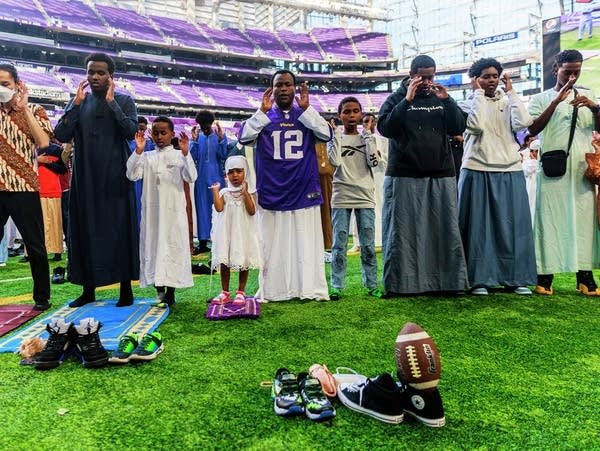
Prayer Room: Even if it’s a small room set aside, the gesture means more than you would realize
Listen and Learn: Every contributor that we spoke to had the same message to give: if you wish to build a community, treat them like actual people instead of faceless consumers.
A community is more than just an annual social media post; it is the daily actions that you can take big and small to make everyone feel fully included. Not for profit, but for the larger idea of including every possible fan in your fanbase